The challenge
Group-level discipline, project-level consequences
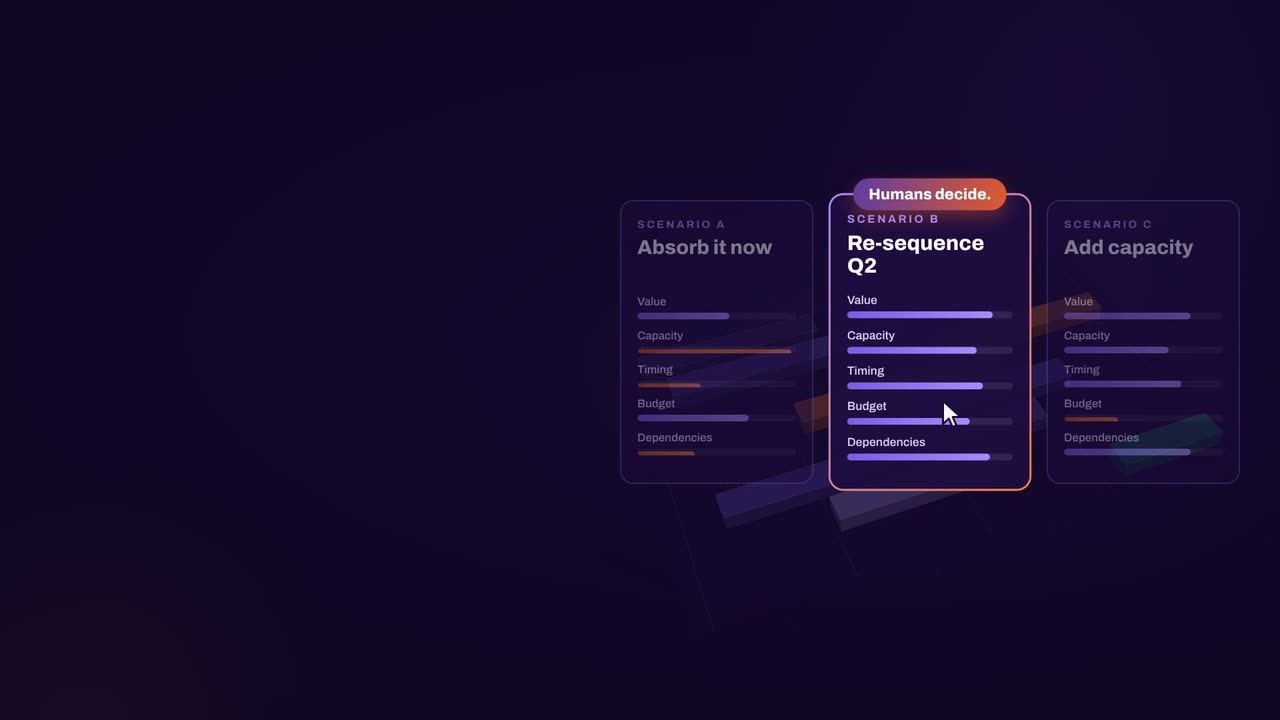
When supply disruptions push prices up, the industry has learned not to rewrite the capital plan overnight. That restraint is a decision, and it is a better one when it is informed. Boards are asking scenario questions: if prices stay high, which short-cycle projects come forward? If they fall back, which commitments are we glad we did not make?
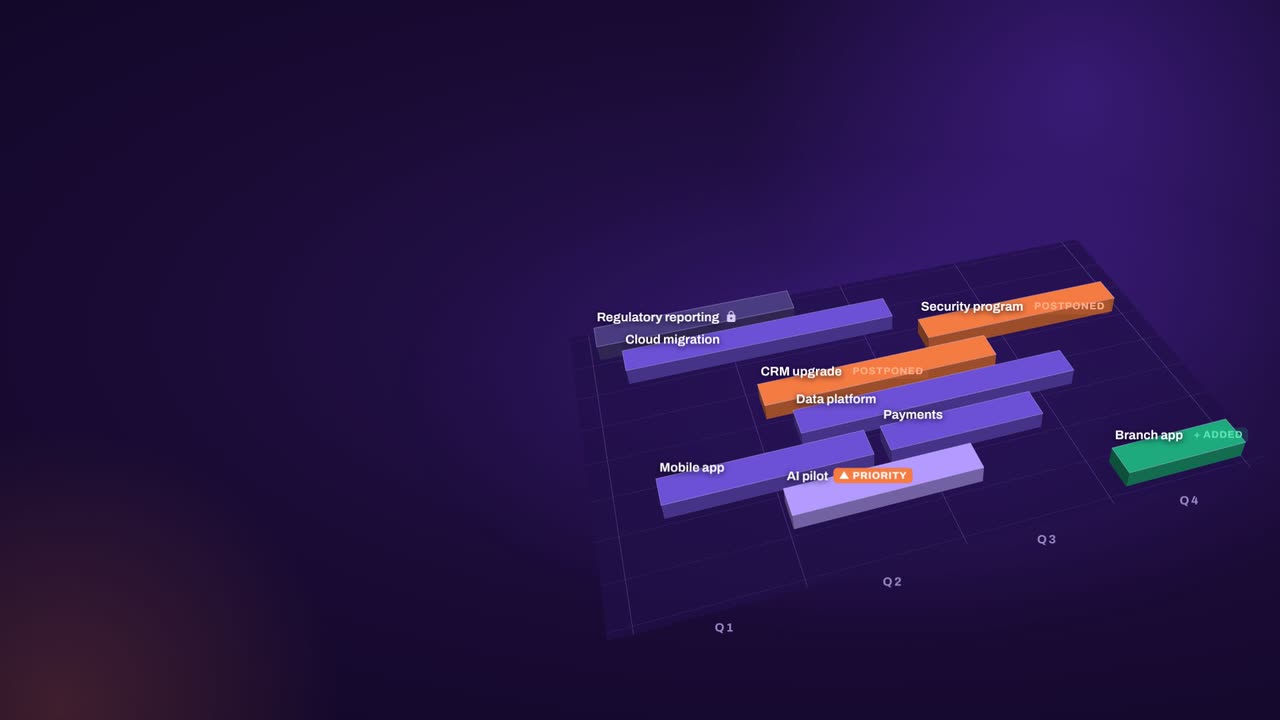
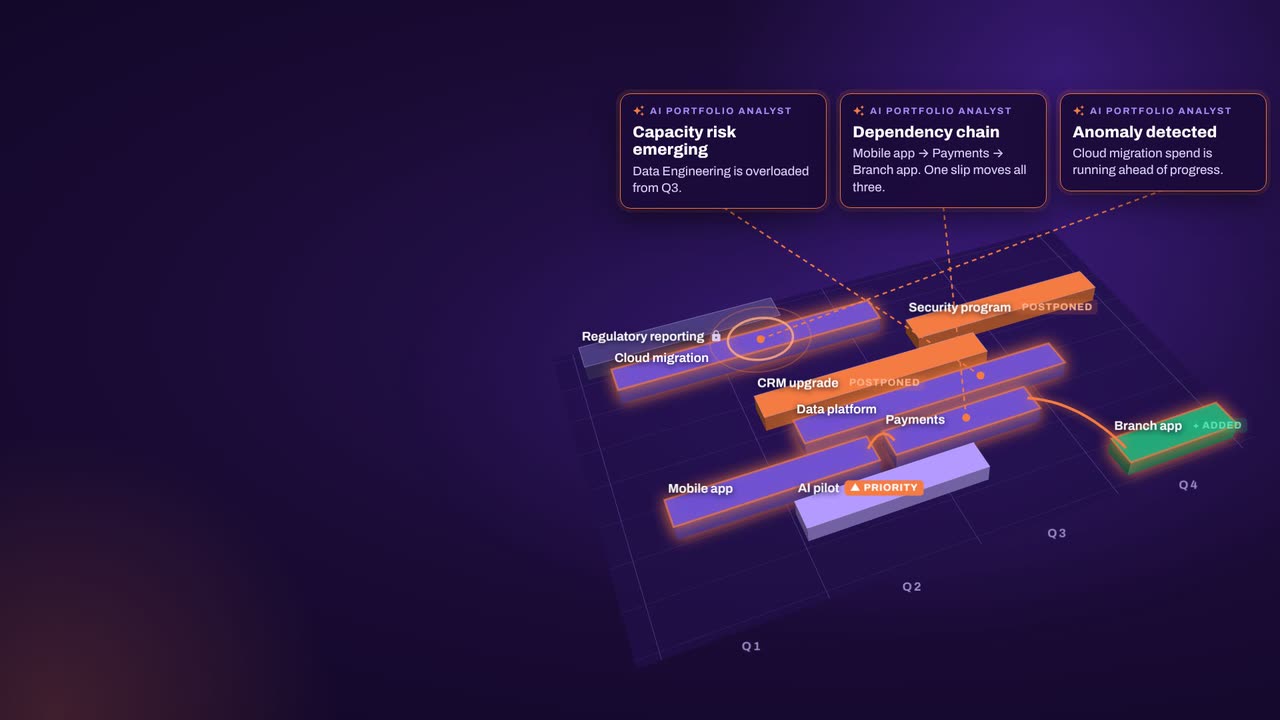
Capital discipline is set at group level as a number, but it is lived in the portfolio as many linked choices: which studies to fund, which projects to sequence, which teams to protect, which work to stop. Deferring one project frees engineers but delays the tie-in another project needs. A cut in one region overloads a shared function in another.
Transition portfolios are being re-scored with harder hurdle rates. Structural cost programs are reaching the project portfolio. In European chemicals, whole sites are being reconsidered. Cut evenly and you stop work that was about to pay back. Cut by the loudest voice and you keep work that should have stopped.