

Baseline what was promised
Keep a baseline of the regulatory plan, bring actuals back from your PPM and project tools, and compare plan against actual: what is on track, what slipped and what it means for committed outputs.
Energy & utilities
Grid build, new connections, reliability work and regulatory outputs all draw on the same scarce engineers. With aangine, the capital and change portfolio stays in one live plan, replanned each time a connection request, cost challenge or skills gap lands.
The challenge
Every regulatory period starts with a business plan and ends in commitments. Whether it is a RIIO price control in Great Britain or a rate case in the US, the regulator asks the same thing in different words: is this investment plan deliverable, and is it the right one? Then reality arrives, and the plan has to be replanned many times without losing sight of what was promised.
Connection requests change, supply chains slip and costs move. Large new loads from data centers, electrification and new manufacturing join the queue with demand that did not exist when the plan was approved. Initiatives such as the EU Grids Package point the same way: more projects, larger portfolios, tighter timelines.
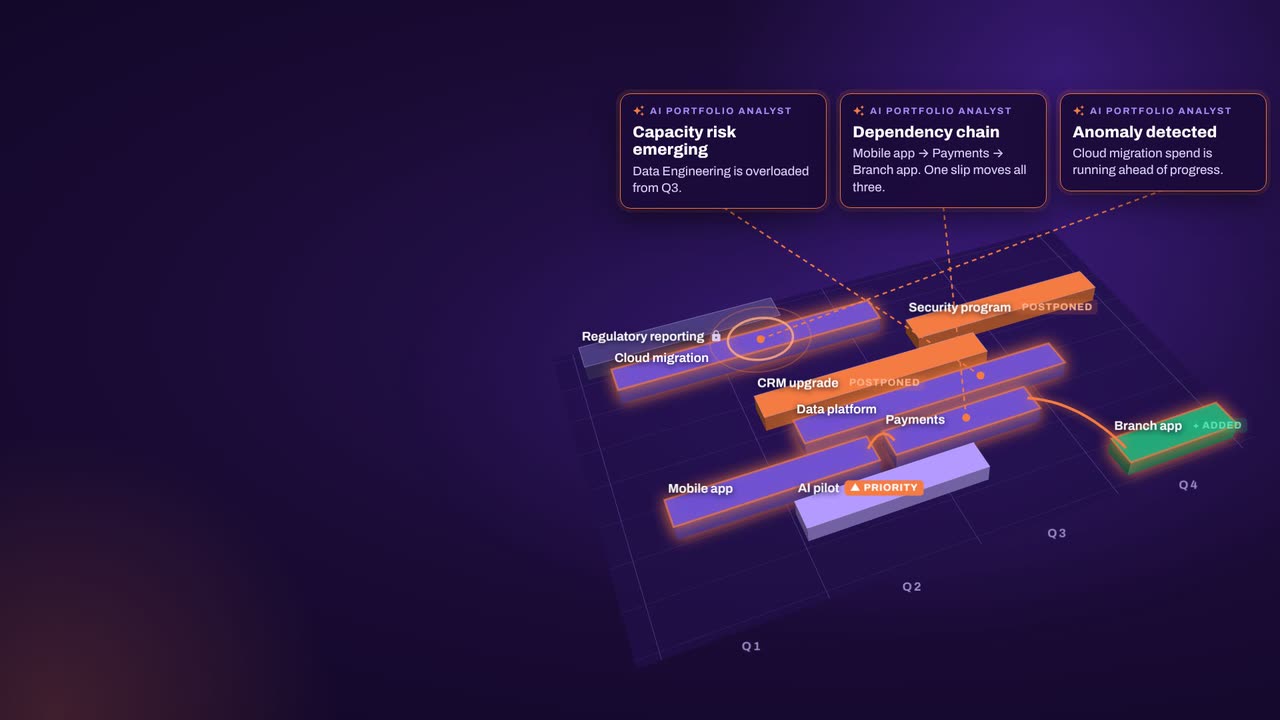
Bigger portfolios share more: a substation, a supplier, a specialist team, an outage window. One delay ripples into many others, and the knock-on effects show up months later. And the tightest constraint is rarely money. It is the protection engineer, the planner and the commissioning team, booked several times over while operations and maintenance carry on.
How aangine helps
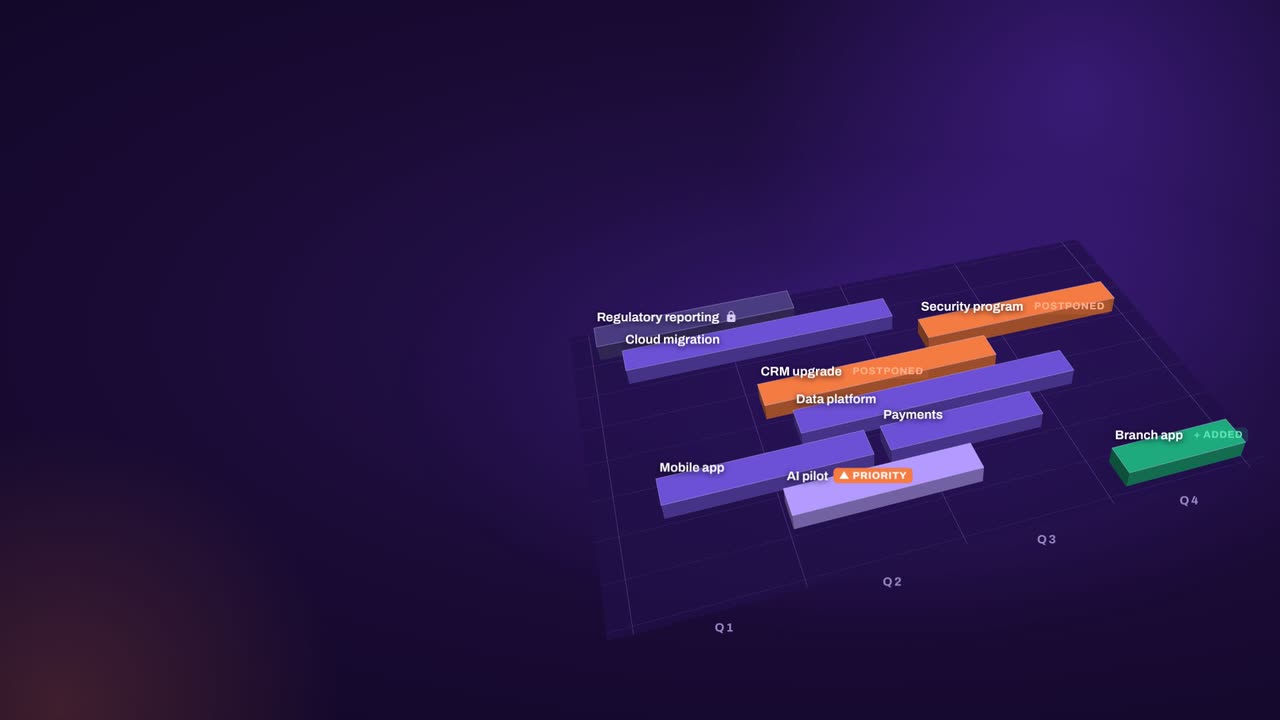
Above your PPM, project controls and finance tools, one live plan holds regulatory commitments, capacity and budgets by CAPEX and OPEX across the whole period.
Keep a baseline of the regulatory plan, bring actuals back from your PPM and project tools, and compare plan against actual: what is on track, what slipped and what it means for committed outputs.
When a project slips, one click replans everything that depends on it without breaking a dependency or deadline. Locked regulatory and safety work never moves, and the plan shows which team or budget ran out and what moved. Portfolio Journey maps the critical dependency chain and teams heading for overload over time, as flagged by the AI Portfolio Analyst.
Plan capacity by team, role or skill, with operations and maintenance next to project work. See whether the right skills are free in the right month, not just whether the headcount adds up, and what the rest would take.
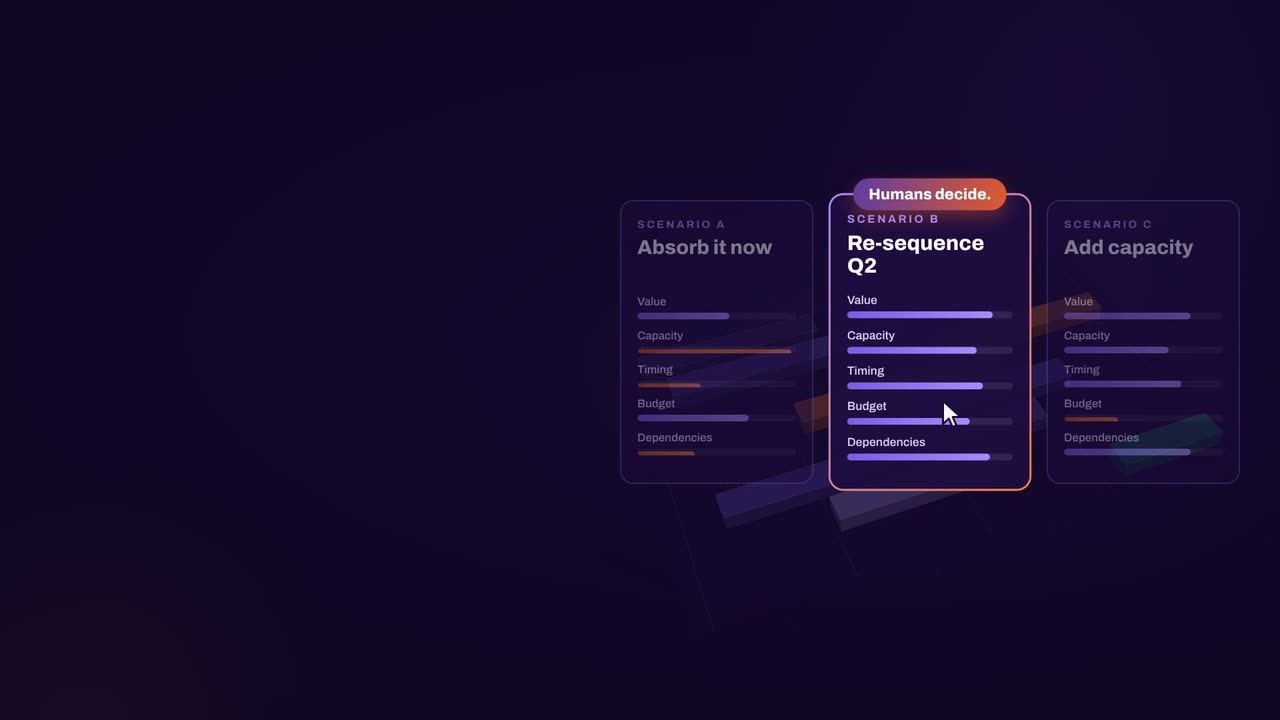
Compare funding levels side by side: projects in and out, capacity, CAPEX and OPEX, value and timing, department impact. See what it would take to deliver all of the demand, then choose the plan you will stand behind.
In practice
Each large new load is demand that was not in the approved plan. It needs studies, design, substations and people. Saying yes is a portfolio decision, not only an engineering one.
Put the request into the plan as a scenario, with the studies, design, substation work and skills it needs. Estimates are enough to start.
See what fits, what moves and which team or budget runs out. Locked regulatory and safety work stays exactly where it is.
Set different connection dates and resourcing options side by side on cost, capacity, value and timing, against the commitments already made for the period.
Leadership sees it plainly: to connect this by that date, we need this. Approve the scenario, push it back to your tools and baseline it.
How aangine works
aangine is the decision layer above the tools you already use. No rip & replace: it imports your plans, replans them in one click and pushes the approved plan back.
The result: faster, clearer decisions when it matters most.
What our customers report in their case studies. Read the customer results
Keep exploring
Book a demo
Book a demo to talk through your utility’s regulatory period: the outputs you have committed to, the connections in the queue and the engineers you need to deliver both.