Why workforce plans drift
The work enters the workforce conversation too late.
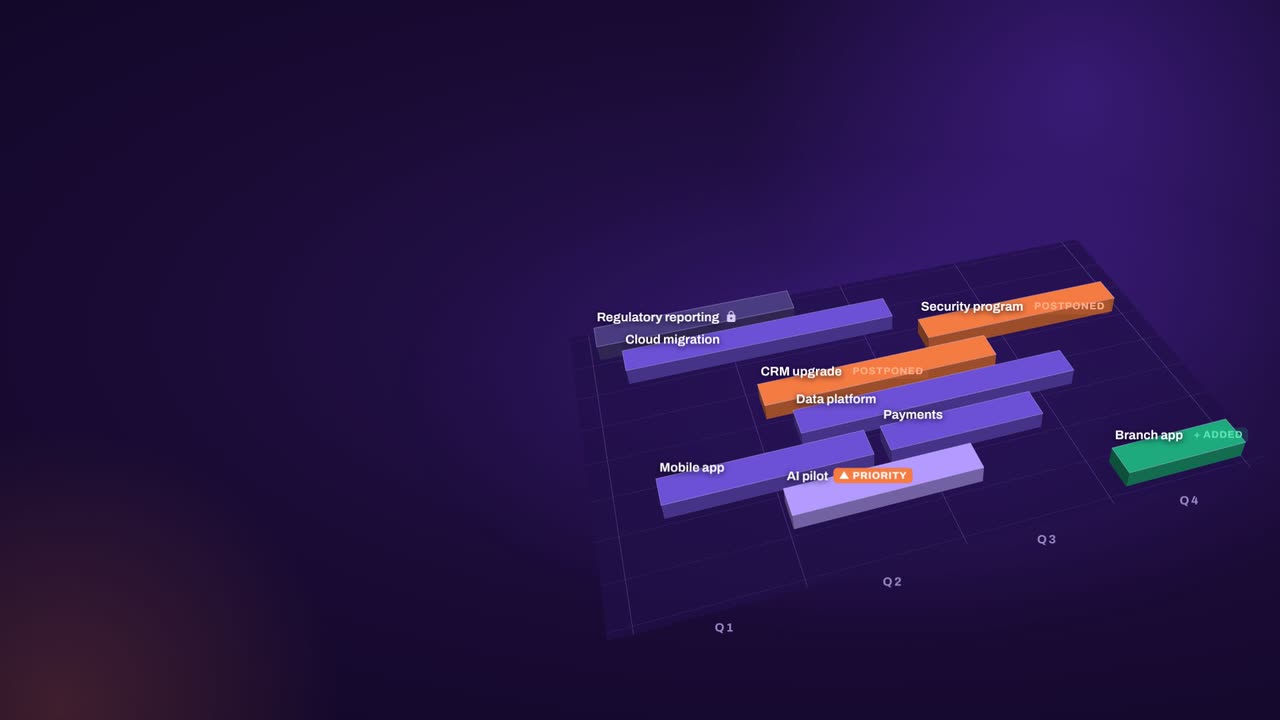
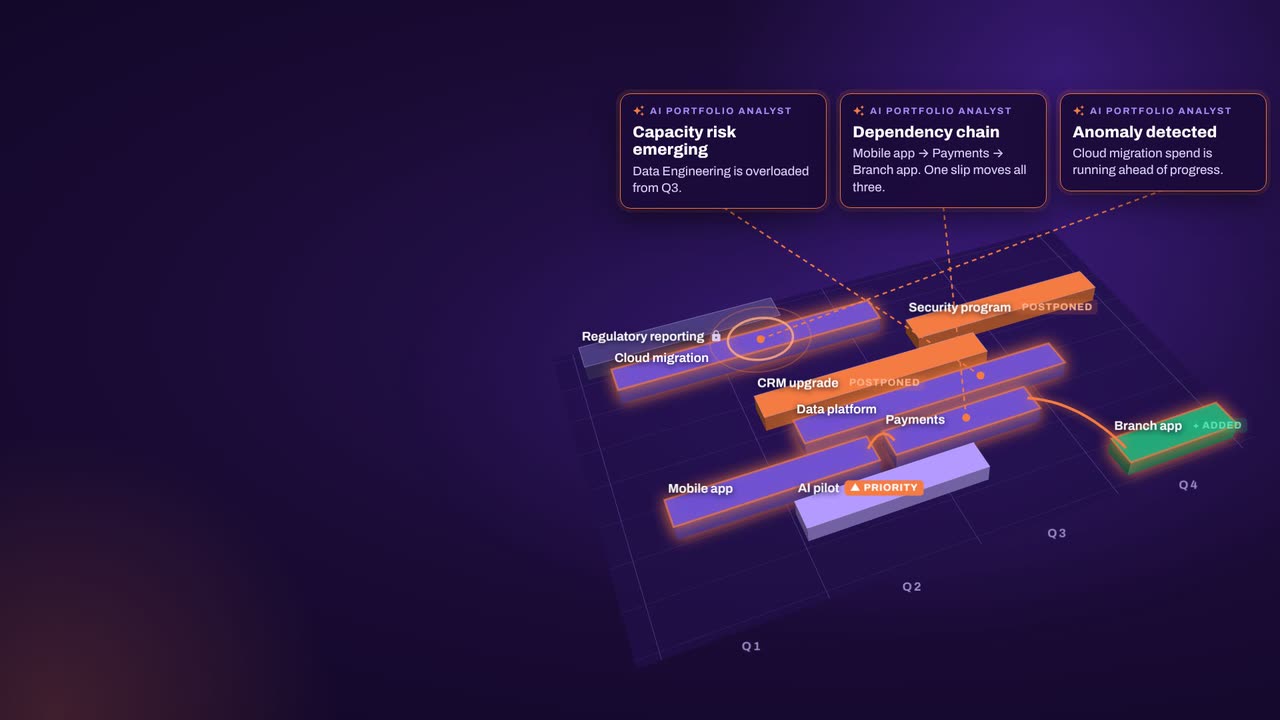
Workforce plans are often built from last year’s headcount plus growth assumptions. The work itself, the initiatives the organization has committed to, arrives late in the conversation. So the plan describes positions rather than the roles and skills the strategy needs, quarter by quarter. Gaps appear only when projects try to start, and spare capacity in other teams goes unnoticed.
Skills gaps surface the same way. A project can’t start because the one person who knows the system is booked for months. The plan could have shown it much earlier, if demand had been planned by role and skill rather than by headcount. By the time the gap is visible, the options are fewer and harder.
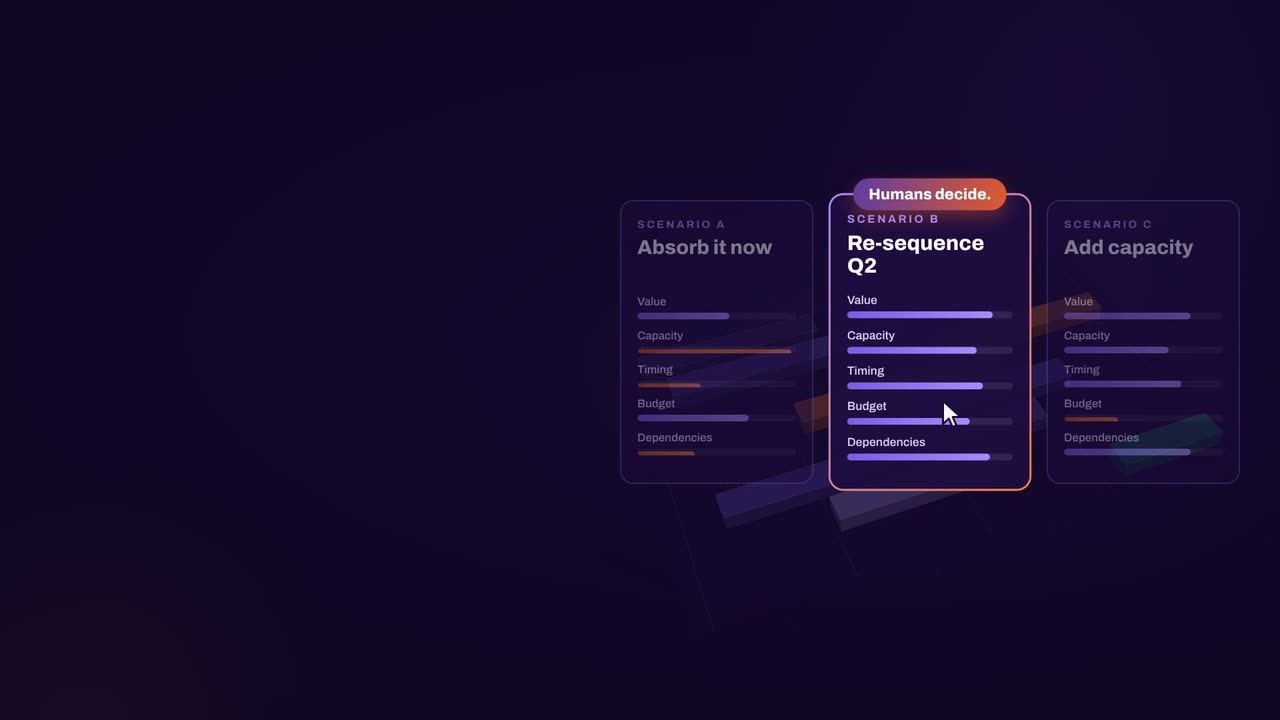
Then the engagement survey says people feel overwhelmed by change, and the usual response is better communication. Often the real cause is scheduling: one department absorbing a new system, a new process and a new structure in the same quarter, on top of the day job. Every overload is a team working late. Overload is a planning problem, and better sequencing can prevent it.