The alignment half
Aligned autonomy works when everyone sees the same constraints
The idea most people take from the Spotify model is aligned autonomy: leaders are clear about the problem and why it matters, and squads decide how to solve it. The material described one company’s engineering organization at one moment, shared openly rather than sold as a framework. The principle has traveled well. It also carries a quiet requirement: alignment depends on a shared view of what the organization can actually carry.
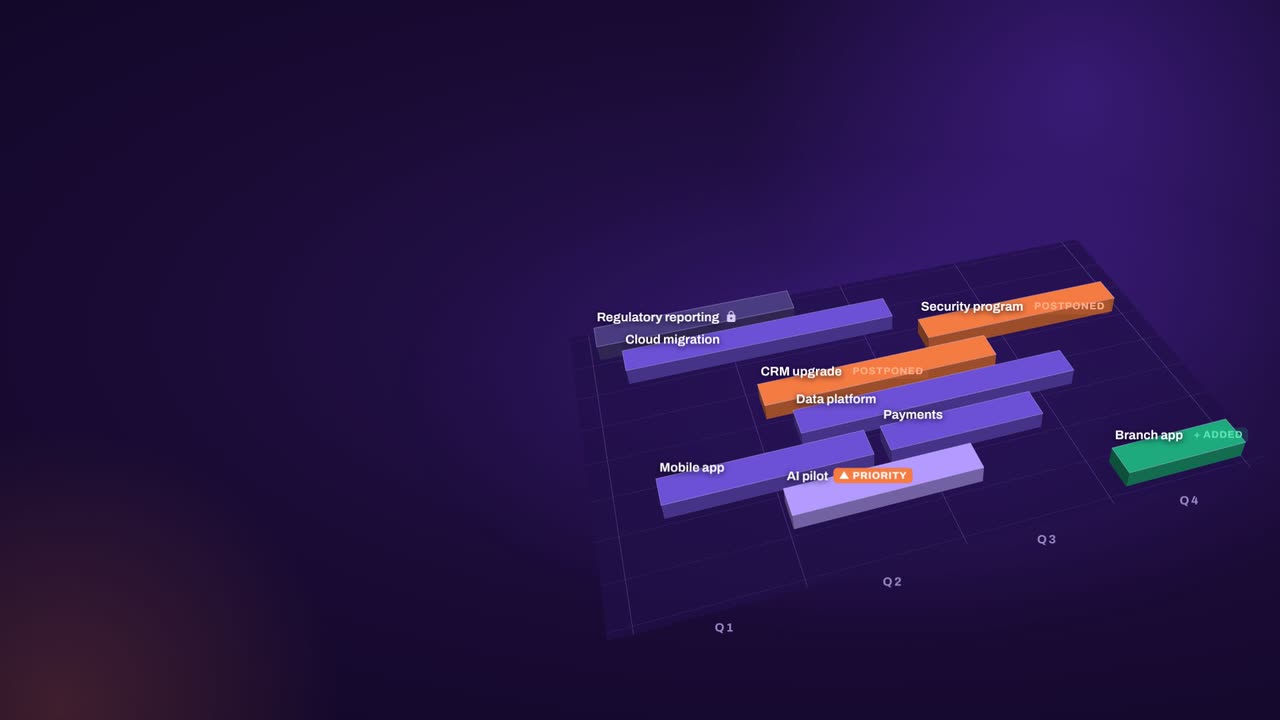
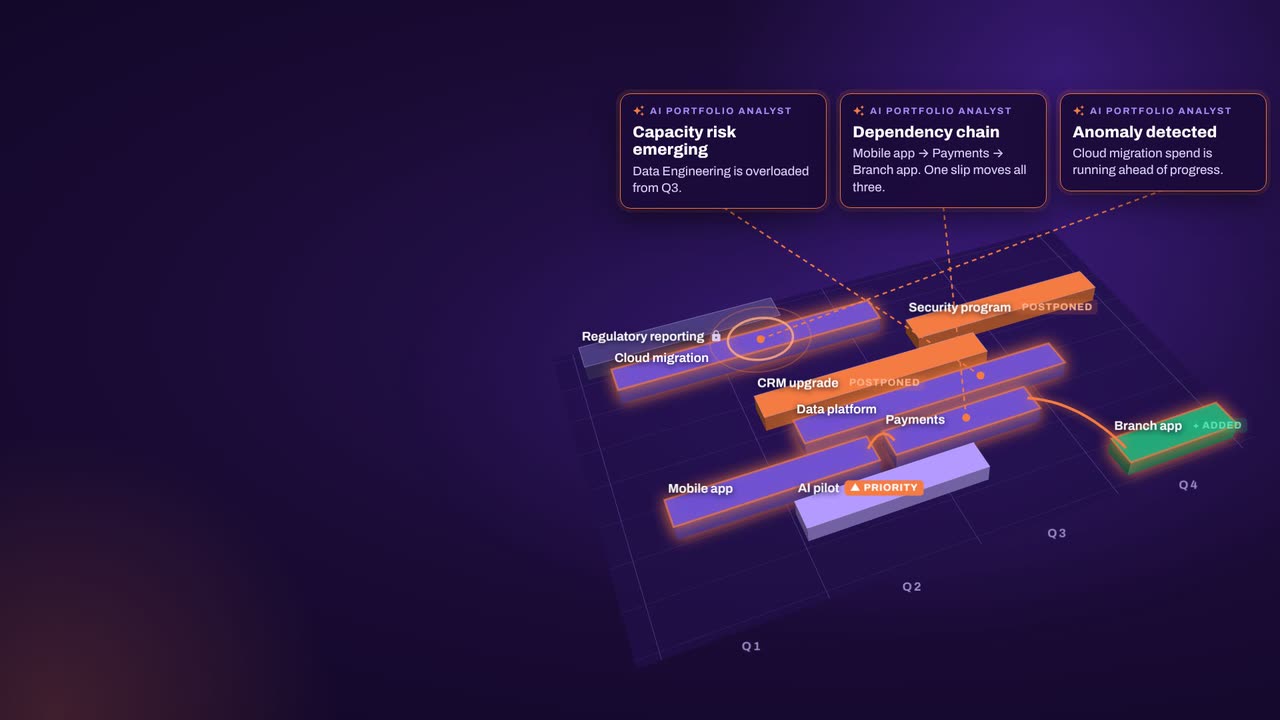
Without that view, every squad commits to its own mission and every tribe plans its own quarter. Then two tribes discover they both need the same platform or identity squad, and a leadership bet lands that nobody has room for. Each plan looked fine on its own board. Autonomous squads still depend on each other, and without a shared view those dependencies surface late, after promises are made.
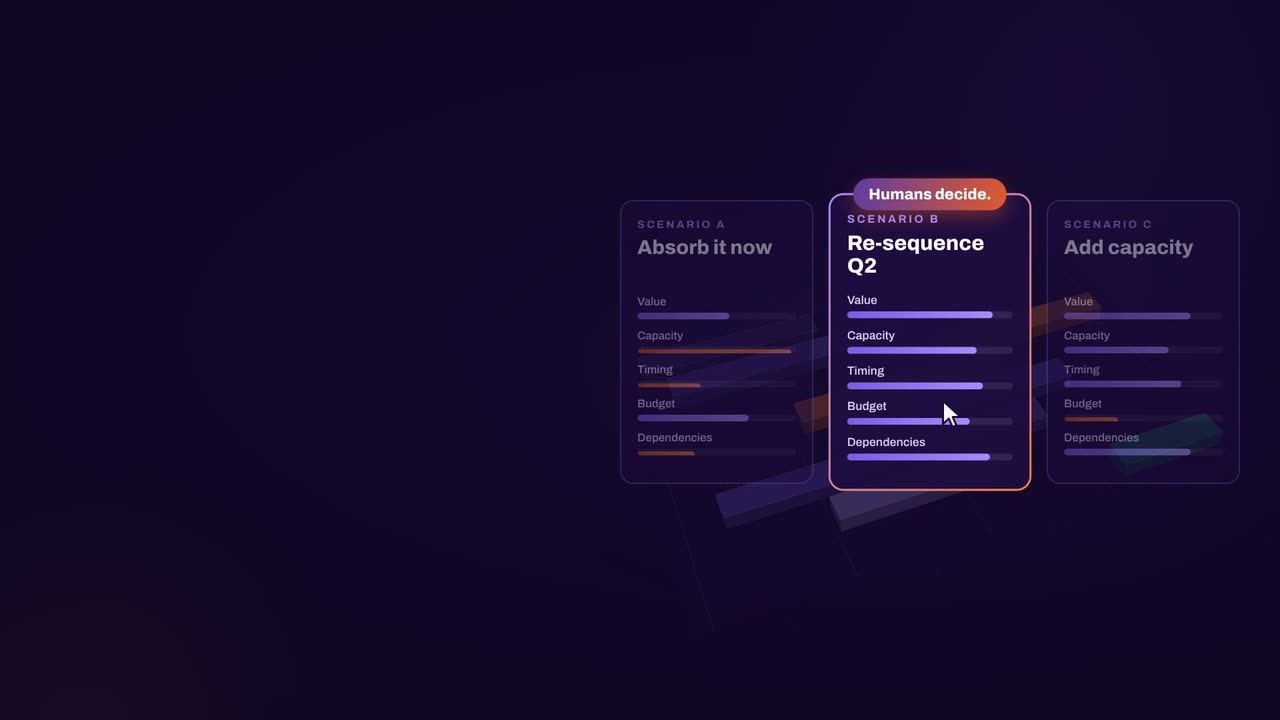
The matrix adds another layer. People belong to a squad and to a chapter, and the real constraint is rarely a shortage of squads. It is a shortage of data engineers, designers or mobile developers in a given quarter, which squad-level plans can’t show. A bets board can rank what matters, but on its own it can’t show what a new bet near the top does to everything below it.