The challenge
Project time is whatever the roster leaves
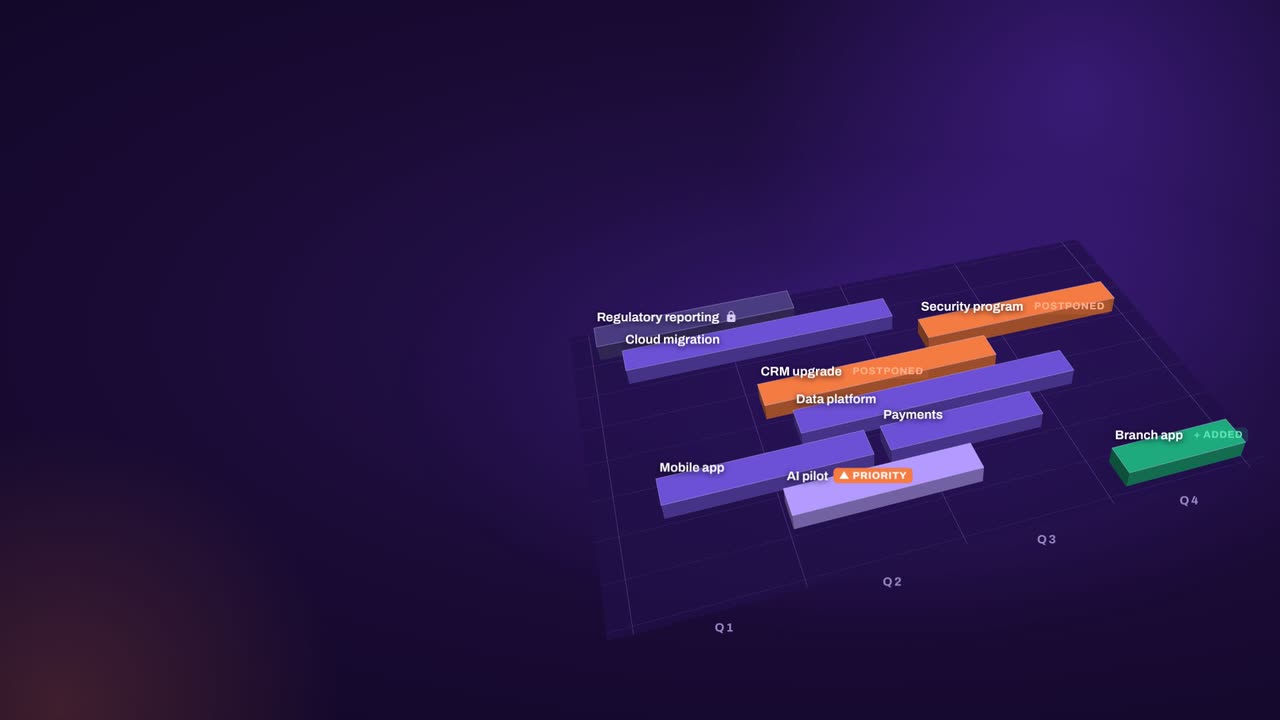
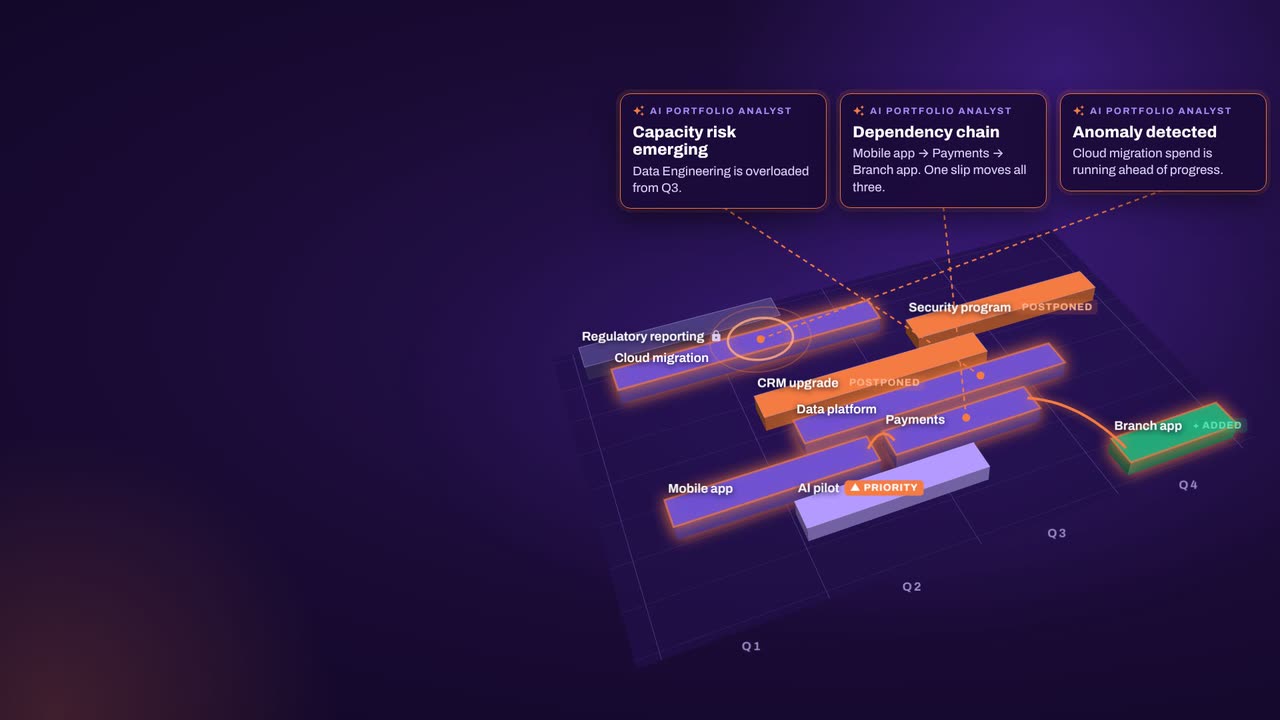
In a hospital, every improvement project is staffed by people who also have patients. The nurse informaticist, the theater manager, the pharmacist leading a medicines-safety change: their project time is what remains after clinical work. Yet many change portfolios are planned as if project capacity were fixed, so projects slip and nobody can say in advance which ones.
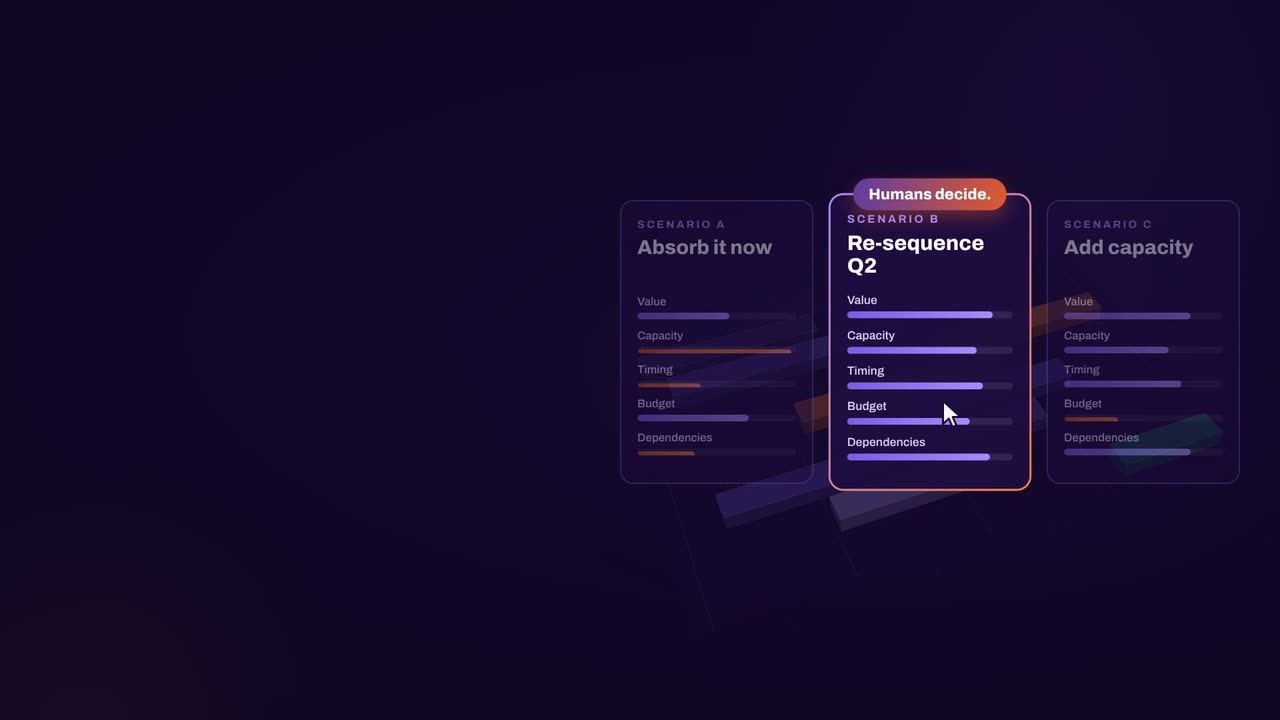
Funding adds its own uncertainty. When the timing or level of funding is not yet known, health systems are asked to plan for several versions of the year ahead. In England, the NHS is shifting from analog to digital, and each national commitment becomes local integration, data, training and process work on top of daily service pressure.
The IT portfolio is changing shape too. Systems are keeping their EHRs longer and funding short AI pilots and fast-payback tools instead, and many small bets are harder to govern than one big one. The capital list is always longer than the budget, and delaying one building project can leave an equipment replacement without a home.