The planning gap
A few breakthroughs, one shared bench
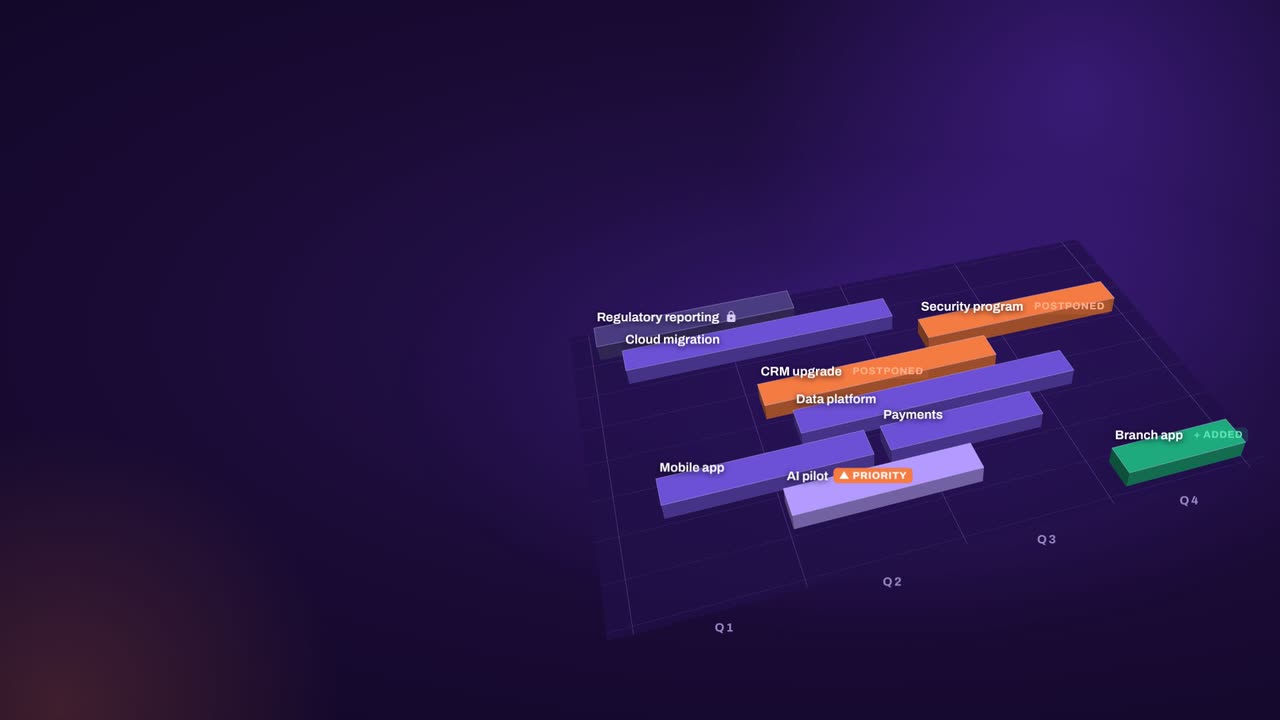
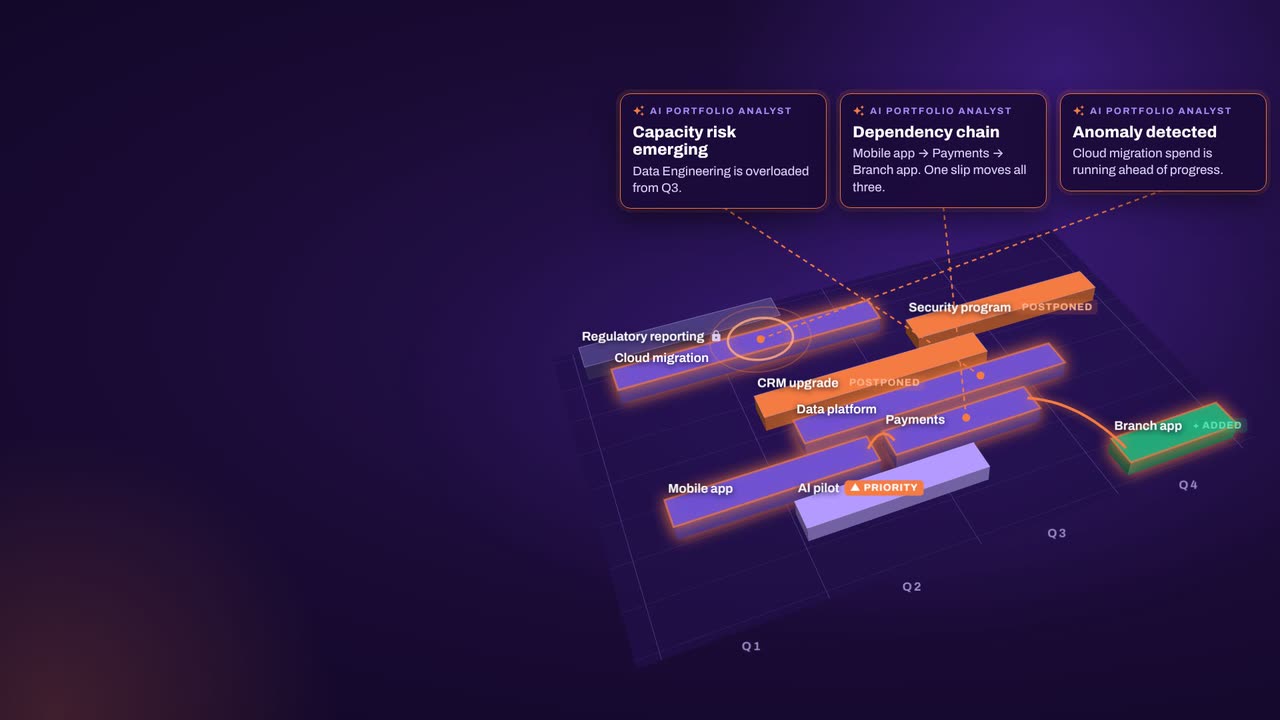
Hoshin Kanri asks for very few breakthrough objectives, chosen to close the gap between where the organization is and where it needs to be. That discipline is its strength. The pressure comes one level down. Breakthrough objectives become annual objectives, annual objectives become improvement priorities with owners, and the same engineering, quality and IT teams start to appear under every one of them.
Catchball is meant to test that. A draft objective goes down a level, the team asks whether it can be done, with what and by when, and the answer goes back up. Without a shared view of capacity, that answer rests on judgment alone. Teams say they are stretched, and nobody can say how stretched, or what would have to give.
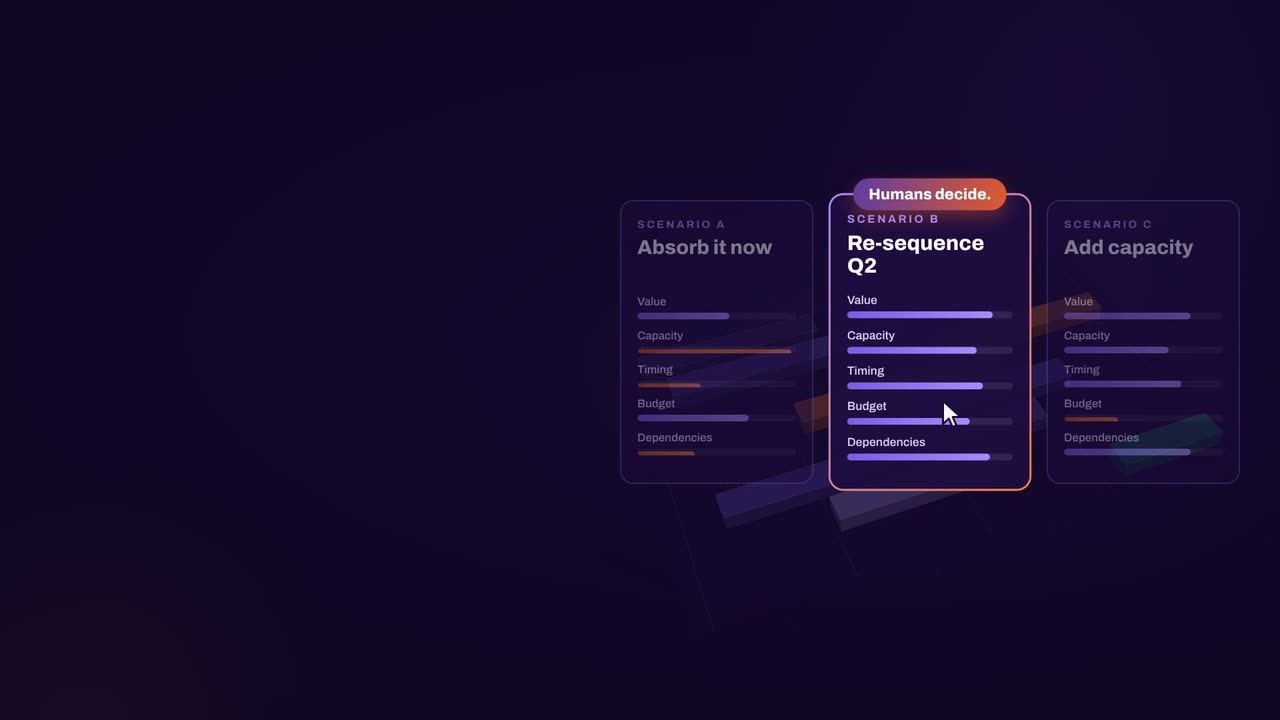
Reviews meet the same gap. When rows on the bowling chart stay red, PDCA says act, and a countermeasure usually needs people or money already committed elsewhere. The X-matrix shows which priority serves which objective, but not time and load. Reworking the plan to test a countermeasure can take until the next review.