Outside the backlog
LeSS keeps Scrum whole. Some decisions still sit around it.
LeSS is precise: one product has one Product Owner, one Product Backlog, one Definition of Done and one shared Sprint, however many teams work on it. Priorities inside the product are the Product Owner’s call. That restraint is why it works. It is also why the questions LeSS deliberately leaves to the wider organization deserve evidence of their own.
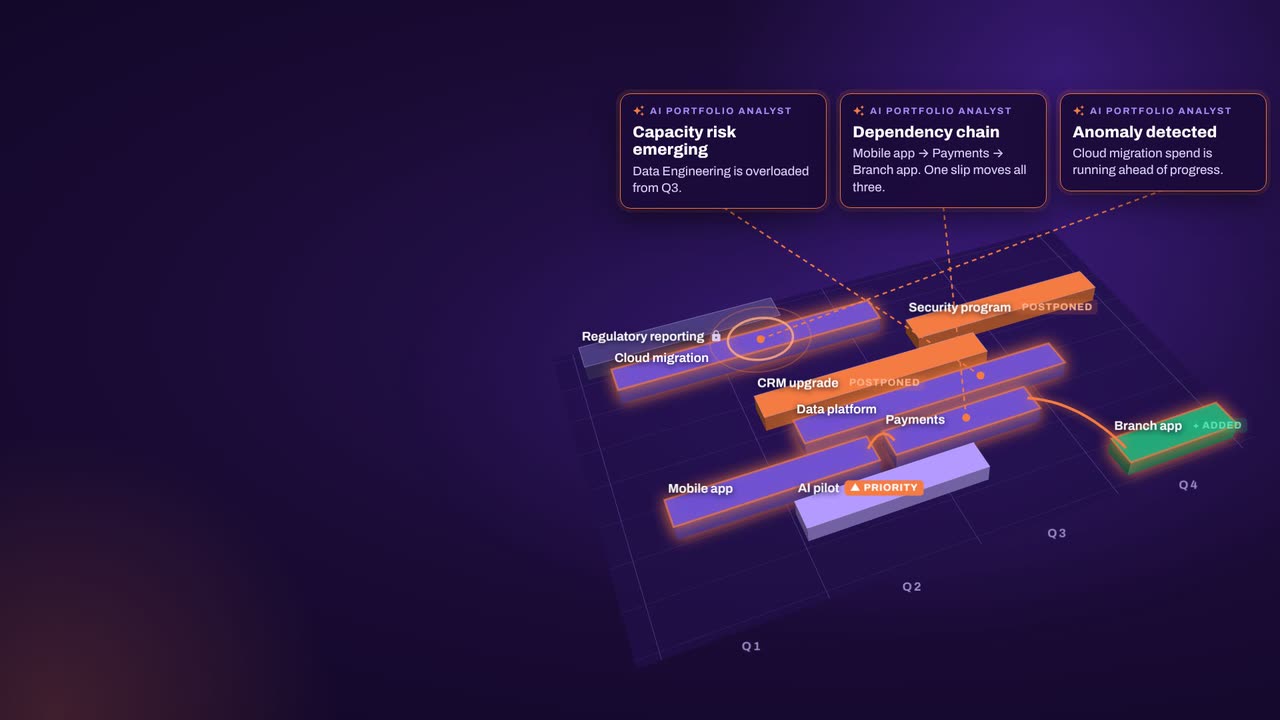
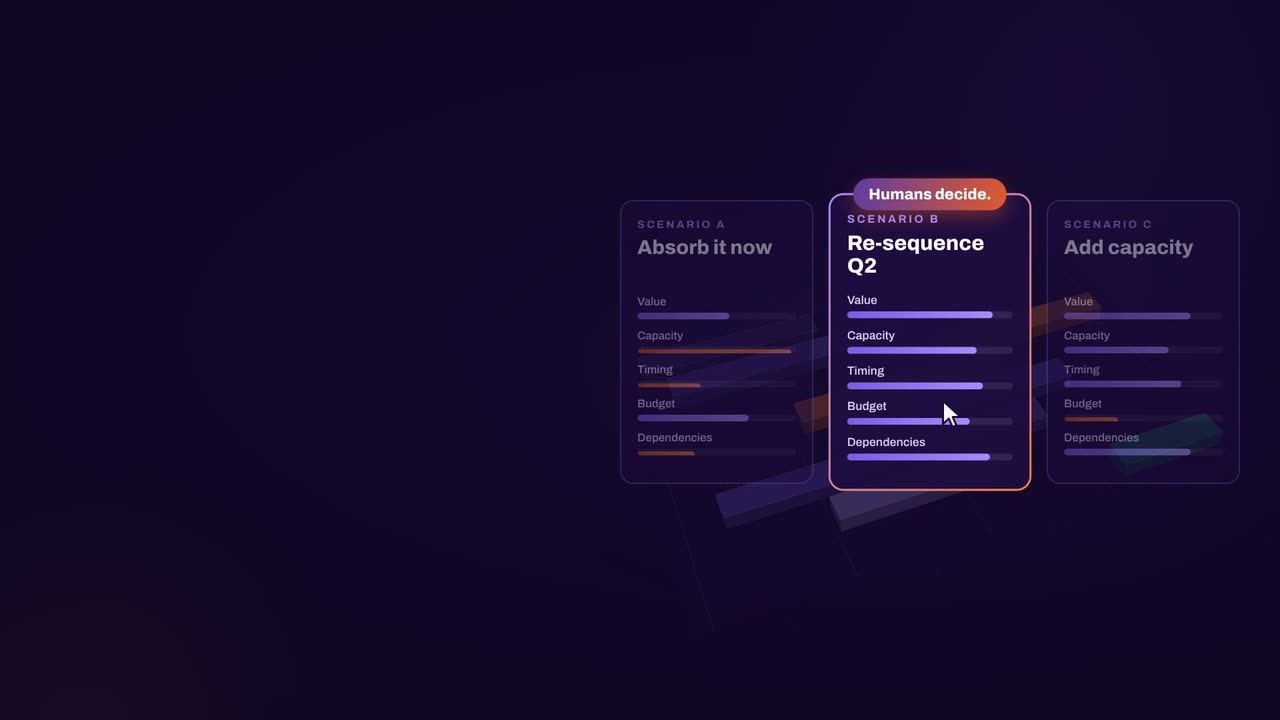
Most organizations run more than one product, plus operations, compliance work and parts of the business that don’t use LeSS. Someone still decides how many teams each product gets, what happens when a new product is proposed and where a budget change lands. In LeSS Huge, the Product Owner decides which teams work in which Requirement Area, a capacity decision that shapes what every area can deliver for months.
Change itself creates planning work. Defining products broadly turns several small backlogs into one, but the roadmaps, budget lines and commitments each former group carried don’t merge on their own. Moving from project funding to product funding rarely happens in a single step either; finance often still reports by project while teams already work from one Product Backlog.