Book a demo

Try “replan”, “SAFe”, “budget cuts” or “public sector”. Press / to search from any page.

  1. Home
  2. Frameworks
  3. Stable funding and dynamic allocation

Stable funding

The budget is stable.The work inside it isn’t.

Plan funded capacity, not just projects. Teams, products or value streams become capacity pools with their own budget lines, demand is pulled in by priority, and every rebalance is a scenario before anyone signs off on it.

Explainer · 1:02Stable funding: fund the teams, pull the work inMore on aangine TV

The challenge

A stable budget moves the planning. It doesn’t remove it.

Project funding asks the same question every time: is this project worth a new budget? Stable funding, also called persistent or product-based funding, asks a different one: these teams are funded, so what is the most valuable work for them to do next? Teams stay together and get better, business cases are written to win priority rather than money, and the annual fight over project budgets becomes a steady flow of decisions.

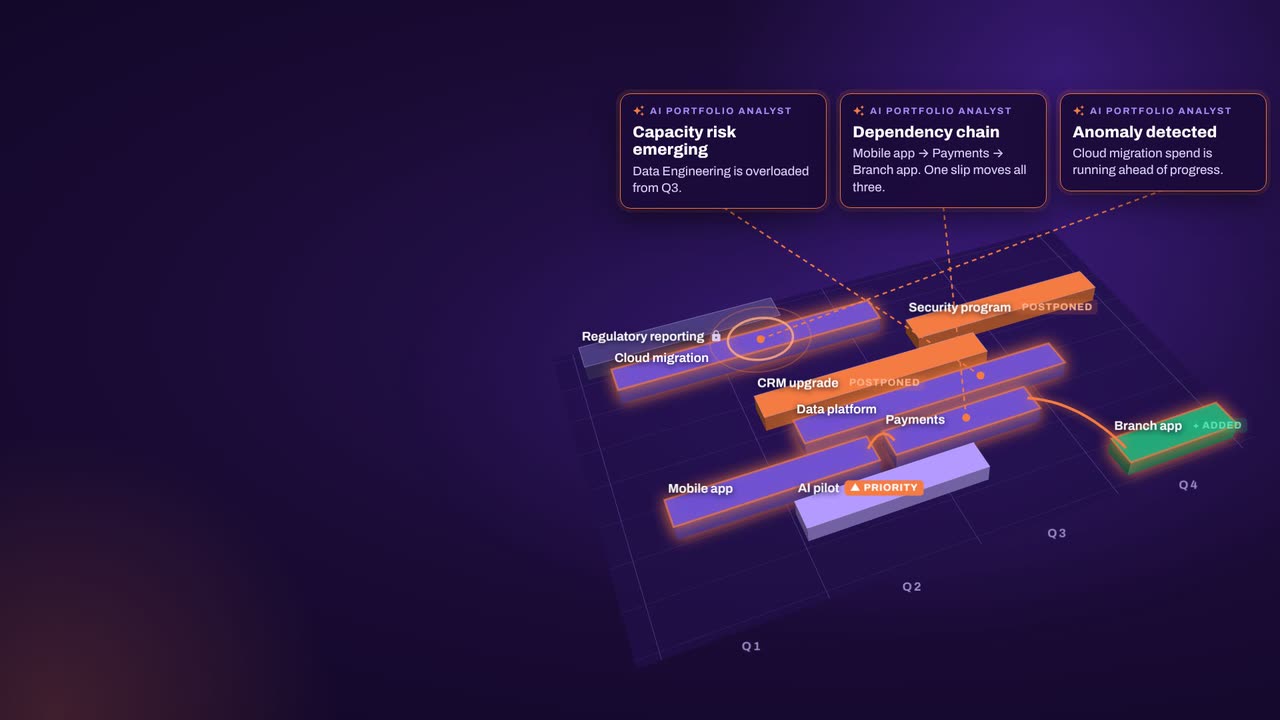
That flow raises a new question for finance and portfolio leaders: is the funded capacity pointed at the right work? Instead of approving projects one by one, leaders decide what each value stream takes on and in what order, while run and support work claims its own share of every team. One stream’s slip can stall another’s plans, and those cross-stream dependencies rarely sit anywhere both sides can see.

Then comes the rebalance. On a steady cadence, often quarterly, leaders ask whether capacity should move from one value stream to another. The question is easy; the answer usually isn’t, because nobody in the room can see what a shift would actually do. Move capacity and something else slips or a mandatory deadline comes under pressure. Without that view, the rebalance turns into a negotiation, or last year’s split simply stays in place.


How aangine helps

Plan the funded capacity, not just the projects

Finance sometimes asks whether stable funding means less control. Control comes from seeing changes in priorities, results and capacity as they happen, and deciding on them deliberately. Your ledger and financial forecasts stay in your finance tools, while aangine plans the funded capacity and the work inside it.

Funded capacity as pools

Teams, products or value streams can be planned as capacity pools with their own budget lines. Each pool’s budget turns into real capacity by team and role, with the share that goes to run and support work included from the start.

Demand pulled by priority

Load all the demand for each value stream, ranked by priority, and let the plan show what fits this quarter, what waits and what would need more capacity. Locked commitments are respected and every gap is explained: which pool ran out, which budget fell short.

Dependencies across streams

Hold cross-stream dependencies in the same live plan, so one stream’s slip is visible to the others. One click replans the whole portfolio without breaking a dependency or a deadline, and shows exactly what moved and why.

Every shift tested first

Shift capacity in a scenario, replan and see what moves, what fits and what it costs before it happens. Small, regular reallocations become safe to make, because each step is visible before anyone commits to it.

In practice

A quarterly rebalance in one meeting

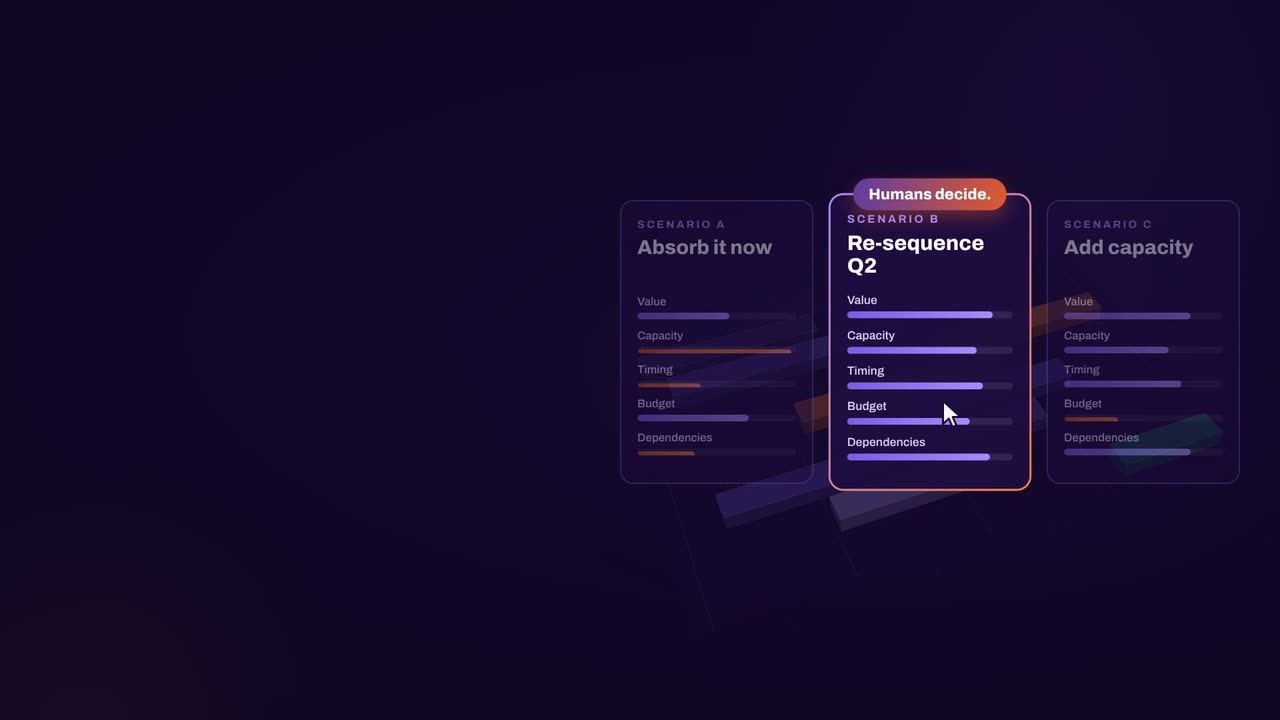
Bring three live scenarios on the same portfolio to the review and compare them side by side: which work moves, which commitments come under pressure, and how value and timing change by quarter.

  1. Scenario A: keep the split

    Hold the current allocation between value streams and see where the plan lands this quarter and next: what fits, what waits and which pool is tightest.

  2. Scenario B: shift capacity

    Move capacity from a mature stream to a growing one. See which work moves in each, how value timing changes and which commitments come under pressure.

  3. Scenario C: drop, don’t shift

    Keep the split and drop the work with the least value that isn’t mandatory. Locked work stays put, and the capacity it frees goes to the next priority in line.

  4. Decide and set the baseline

    Compare the options on cost, capacity, value and timing, choose one in the room, and set it as the baseline the next quarter is measured against.

How aangine works

Algorithms calculate and optimize; AI discovers and highlights; humans decide.

aangine is the decision layer above the tools you already use. No rip & replace: it imports your plans, replans them in one click and pushes the approved plan back.

Algorithmscalculate and optimize
AIdiscovers and highlights
Humansdecide

The result: faster, clearer decisions when it matters most.

100xfaster portfolio decisions
9%budget savings
30%shorter product cycles
22%more strategic outcomes
80+%projects delivered on time

What our customers report in their case studies. Read the customer results

Keep exploring

Framework and method names are used to identify them only. aangine and Continuous Software are not affiliated with, or endorsed by, the owners of these frameworks and methods.

Book a demo

Stable money. Moving work.Clear decisions.

Book a demo and bring your value stream budgets and the agenda for your next rebalancing review. We’ll talk through how your funded capacity, demand and dependencies come together in one plan.

Every Plan Meets Changeaangine in a minute · 58 seconds · sound on · captions

Transcript

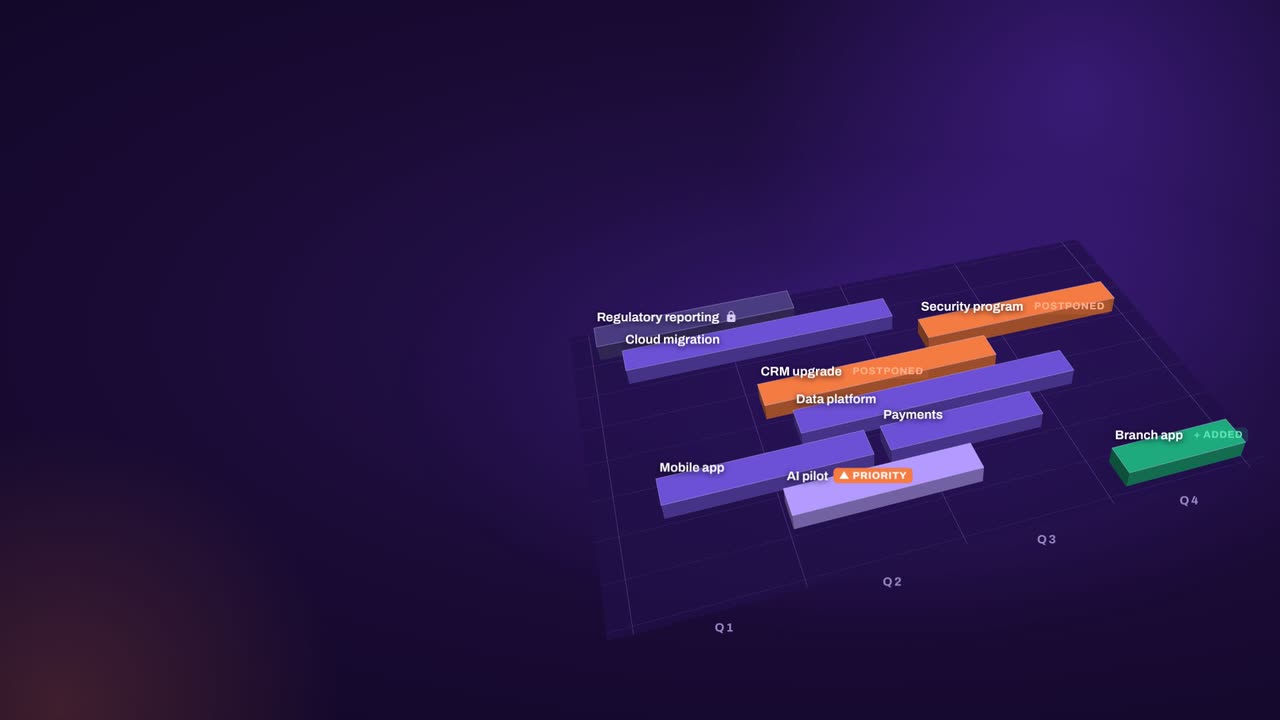
Your plan is perfect. For about five minutes. Then change crashes the party! The CEO wants a new project… That big milestone? Two months late. Your best team? Fighting fires. And priorities? Flipped! Cue days of rework, and yet another final-final deck. Now watch what aangine does. One click. Done! The whole plan just rebalanced. Next time the CEO asks, can we do it? You’ll know. In seconds. Algorithms calculate and optimize. AI discovers and highlights. Humans decide. The result: faster, clearer decisions when it matters most. aangine is the decision layer. Keep your tools. Even your spreadsheets! No rip and replace! A hundred times faster portfolio decisions. Nine percent budget savings. Five stars on Gartner Peer Insights. Change will come. Be ready to decide. Scan the code. See it live! aangine.

Book your assessment