The challenge
The method is clear. The ranking is hard.
Zero-based budgeting has one demanding rule: nothing is funded just because it was funded last year. Each decision unit builds its decision packages, each package says what it delivers at a given level of spend, and the packages are ranked and funded down the list until the money runs out. Done carefully, it moves money to what matters and resets the cost base for reinvestment.
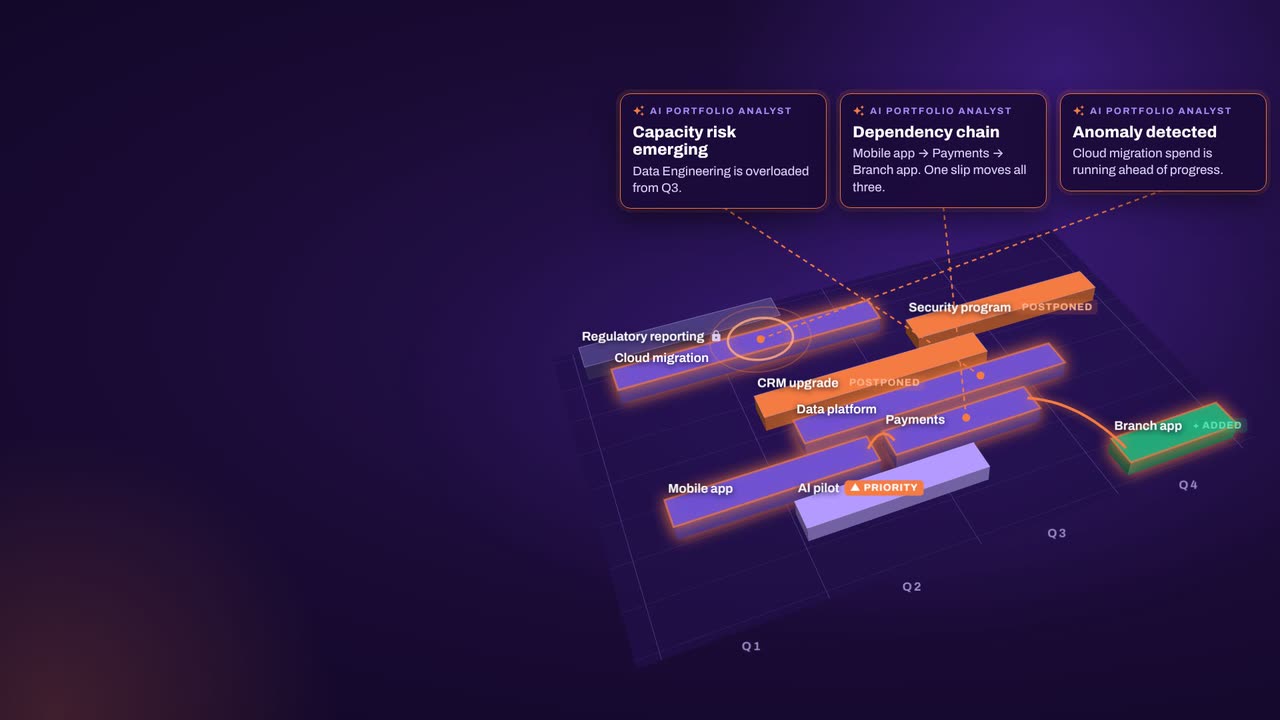
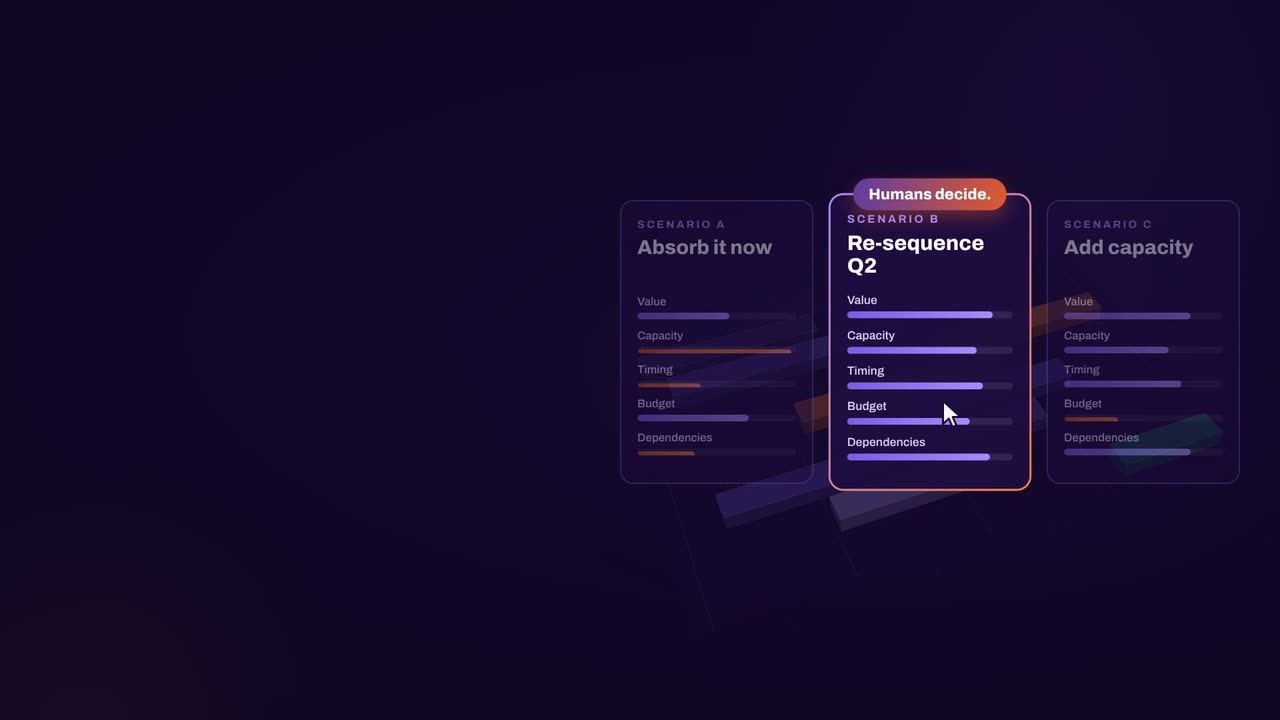
The ranking is where it gets hard. A package from IT, one from operations and one from marketing rarely share a language, and the people ranking them rarely see what each one needs from the same teams. When nobody can see what a package delivers and which teams it uses, ranking turns into negotiation, and cuts fall where resistance is weakest. Often that is headcount, while the waste sits in the work.
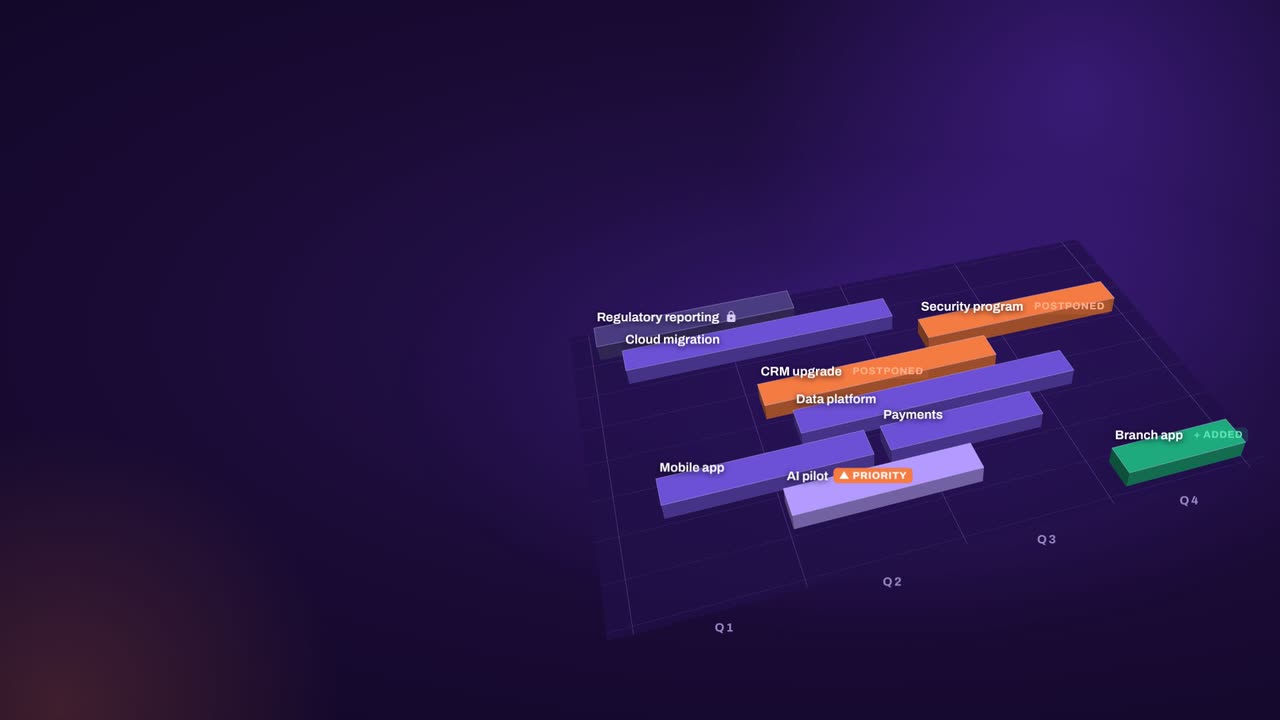
The waste usually looks familiar: packages funded at last year’s level because nobody built a minimum level, two units submitting packages for the same outcome, projects that no longer serve a current priority but still hold their teams. And decision units are budgeted separately while their work is not. A package dropped to meet one unit’s target can be the data migration another unit was waiting for. The saving shows up now; the cost shows up later, in someone else’s budget.