

Funding outcomes, compared early
Hold several funding outcomes and timings as scenarios in the same live plan. Compare what each does to projects, capacity and budget timing, and see what moves the moment the answer comes.
Construction & infrastructure
Plan the capital project portfolio, pursuits and internal initiatives against real crews, specialist roles and budget. Oracle Primavera stays the schedule; portfolio decisions are made in aangine.
The challenge
Public owners and the contractors who build for them often plan before the top line is confirmed. When the timing of funding is not yet known, the same questions come up together. Which projects go to letting? Which design work continues at risk? Which crews and specialist teams get committed now, and which wait for the answer?
Large wins bring their own pressure. A data center campus pulls electricians, project managers, MEP coordinators and preconstruction teams away from everything else. A tariff or price change on steel, aluminum, copper or lumber reaches every live project at once, while estimators and project controls rebuild spreadsheets and the next change is already on its way. The cost of a slow answer is paid in rework, idle crews and missed windows.
Underneath it all is labor. Electricians, superintendents and estimators run out at different times, and preconstruction, warranty work and service calls use the same people as new projects. Hiring and apprenticeships are the long-term answer. In the meantime, the portfolio has to be planned around the people who are actually available, not the headcount on an org chart.
“…any possible changes can be made directly at the meeting with our business stakeholders.”
How aangine helps
A decision layer above your project controls, scheduling and finance tools. Schedules stay where they are; the portfolio decisions happen here.
Hold several funding outcomes and timings as scenarios in the same live plan. Compare what each does to projects, capacity and budget timing, and see what moves the moment the answer comes.
Add a pursuit to the plan before the final bid and replan in one click. See which projects lose people, which pursuits to drop, and where you need to hire or subcontract, by role and region.
Plan capacity by team, role or person, with the day job counted: preconstruction, warranty and service work sit alongside new projects. When a crew moves to another region, the plan moves with it and the gaps are named.
CAPEX and OPEX lines, cost rates and the project portfolio live in one plan. Change a cost assumption, replan, and see which projects and budget lines move in the same meeting. Approved plans flow back to Oracle Primavera, MS Project or Excel.
In practice
A general contractor is shortlisted for a large data center campus. Before the final bid, leadership wants to know what winning would do to the rest of the portfolio.
Load the pursuit as a scenario with rough effort estimates by role. Estimates are fine to start with; data quality improves as you plan.
Algorithms rebalance live projects around the new demand. Locked and fixed-date work stays put, and dependencies and contract deadlines are never broken.
See over-allocated teams by role and region, the projects that would slip, and the capacity and budget gaps that need closing before a win.
Compare the win scenario with the current plan, decide what to drop, hire or subcontract, and commit to a bid the portfolio can deliver.
How aangine works
aangine is the decision layer above the tools you already use. No rip & replace: it imports your plans, replans them in one click and pushes the approved plan back.
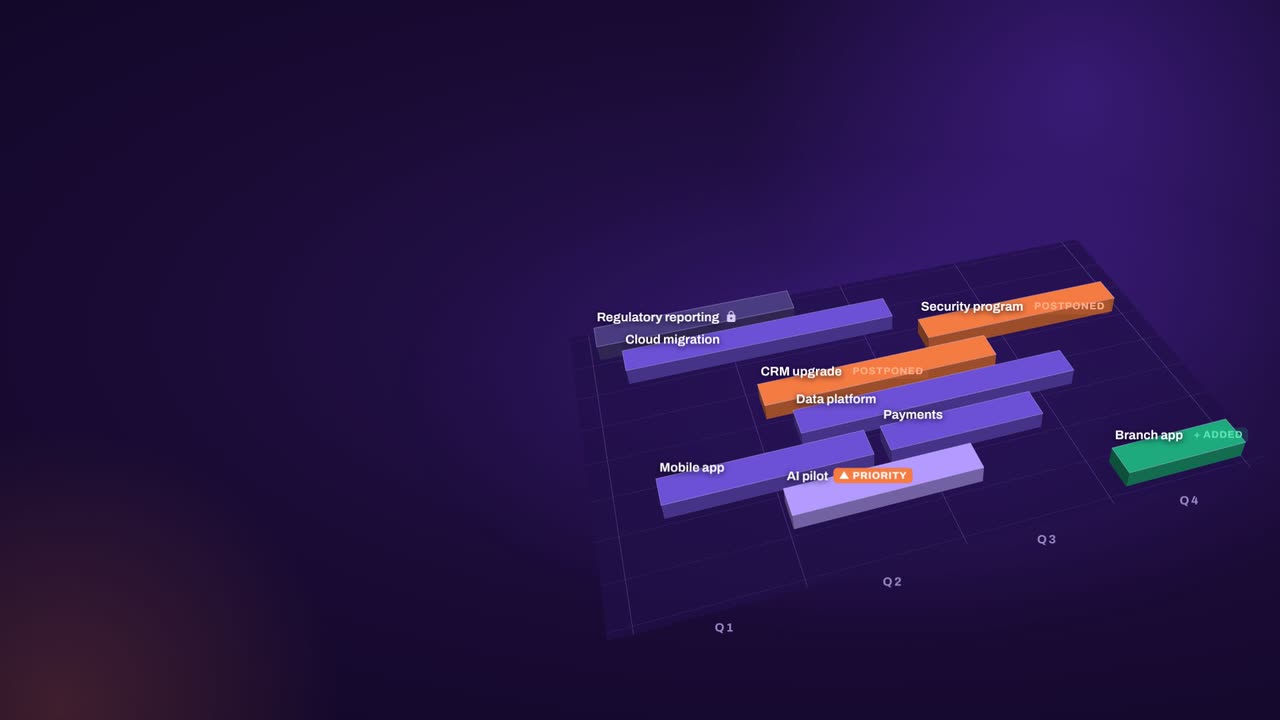
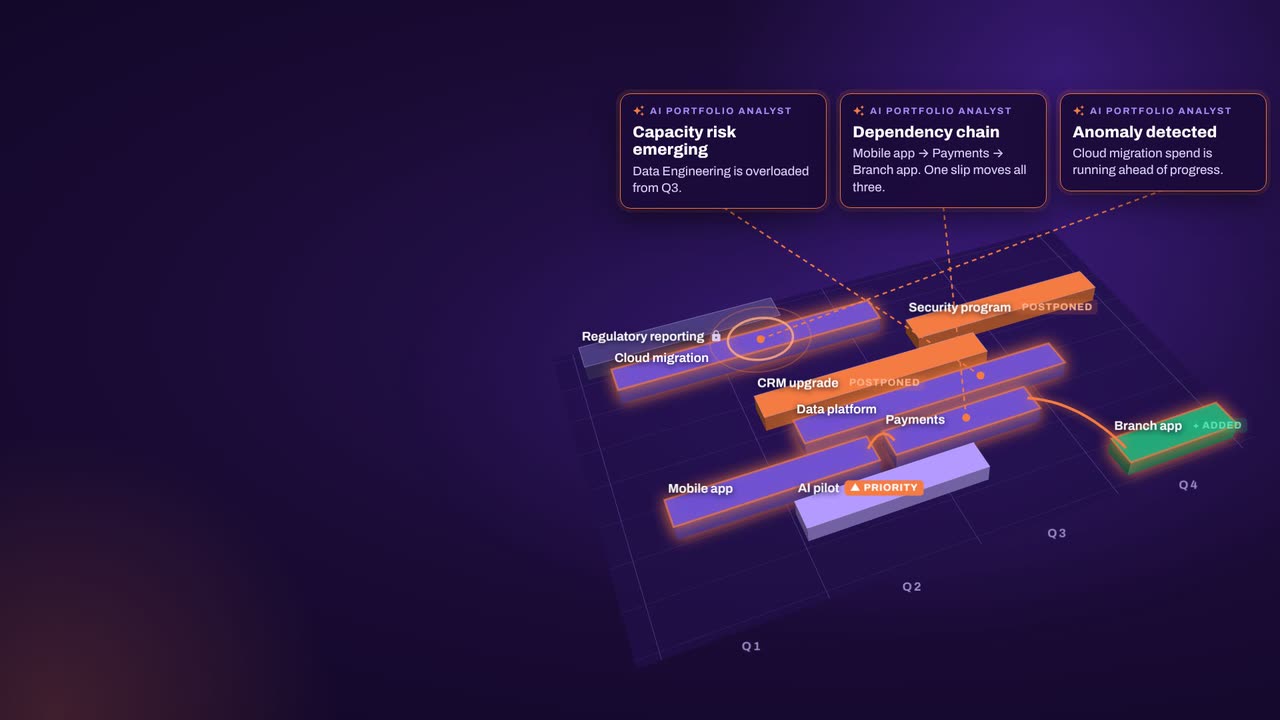
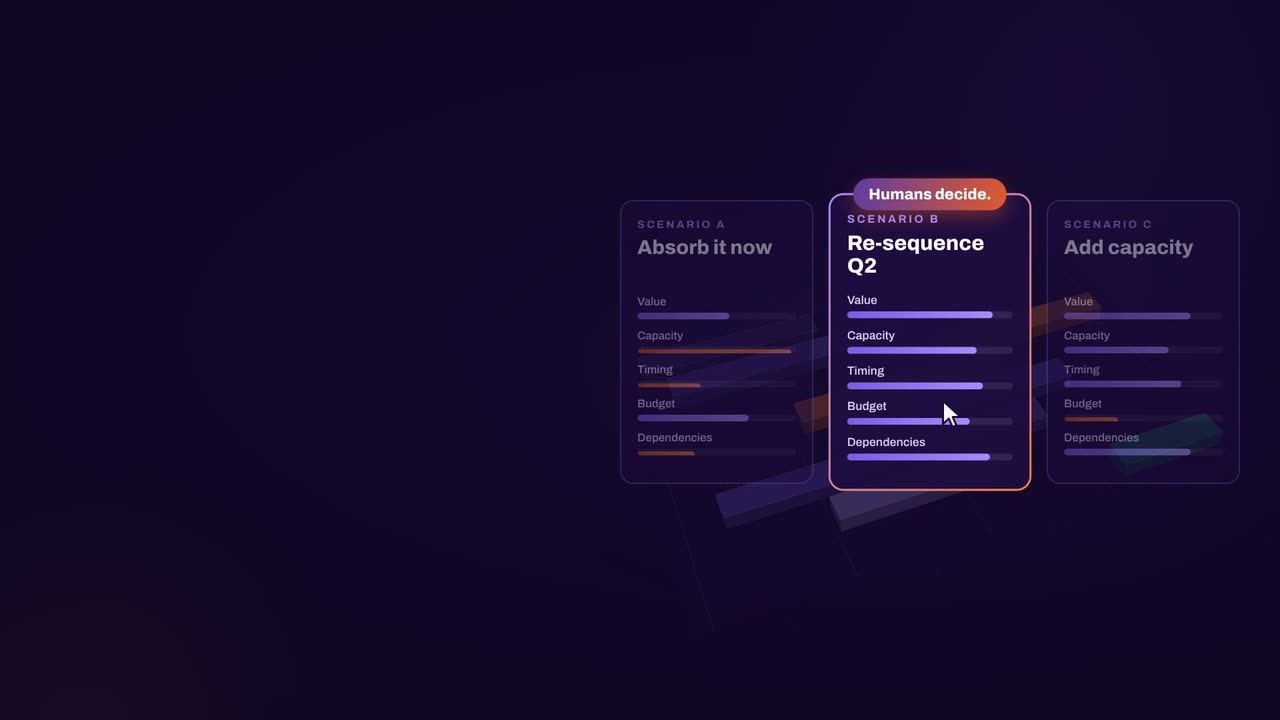
The result: faster, clearer decisions when it matters most.
What our customers report in their case studies. Read the customer results
Keep exploring
Book a demo
Book a demo to talk through your own portfolio: a funding scenario, a major pursuit, a materials price shift or a crew plan that no longer matches the work.